Trauma & Critical Care Surgery
Comprehensive Surgical Response for Life-Threatening Emergencies
When critical illness or traumatic injury strikes, immediate access to highly trained surgical specialists can mean the difference between life and death. Western Surgical Group’s Trauma & Critical Care Surgery Division is built to meet that need — delivering expert, timely care for patients facing severe trauma, emergent surgical conditions, and complex critical illnesses.
Our trauma surgeons are not only trained to manage emergency surgical situations, but are also experienced in the long-term management of patients who require intensive monitoring, advanced life support, and coordinated, multidisciplinary care. We are often called on to lead in the most demanding clinical environments — from the operating room to the intensive care unit — providing continuity of care that improves both survival and recovery.
Surgical Expertise for the Most Complex Emergencies
Trauma surgery involves rapid decision-making, advanced operative skills, and a deep understanding of how traumatic injuries affect the body. Our surgeons respond to a wide range of injuries, including blunt force trauma, penetrating wounds, and multi-system damage caused by car accidents, falls, workplace incidents, and more.
Each trauma case is unique, and our surgeons work closely with emergency physicians, anesthesiologists, radiologists, and subspecialists to prioritize injuries, stabilize the patient, and determine the best surgical course. Time is critical, and our ability to act decisively in those first moments is matched by our attention to post-operative care, rehabilitation planning, and family support.
Critical Care That Goes Beyond Surgery
In addition to trauma surgery, our division plays a central role in the management of surgical critical care — the intensive care required for patients who are recovering from complex surgery, experiencing life-threatening infections, or managing organ dysfunction. These patients often require continuous monitoring, mechanical ventilation, and specialized support to maintain heart, lung, and kidney function.
Our surgeons are trained in both operative care and critical care medicine, allowing them to manage every aspect of the patient’s journey — from the initial operation through to recovery in the ICU. This dual expertise ensures more seamless coordination of care and better outcomes for the most fragile patients.
Coordinated, Multidisciplinary Support
Trauma and critical care patients often benefit from a collaborative model of care. Our division works in close partnership with emergency departments, ICU teams, nurses, therapists, case managers, and surgical subspecialists to ensure that patients receive a high level of coordinated support throughout their hospitalization and beyond.
At Western Surgical Group, we are not only committed to providing life-saving procedures — we are also committed to helping patients regain strength, restore function, and return to their lives with the support they need. Whether you are referred to us through a trauma center, hospital transfer, or direct admission, you can count on expert surgical care when it matters most.
Doctors Specializing in Trauma / Critical Care Surgery
Our trauma and critical care surgeons are board‑certified, fellowship‑trained specialists experienced in managing the most challenging surgical emergencies. They combine rapid decision‑making with surgical precision and an understanding of critical‑care physiology to treat complex injuries and support patients through the acute and recovery phases.




Trauma / Critical Care Surgery Procedures We Perform
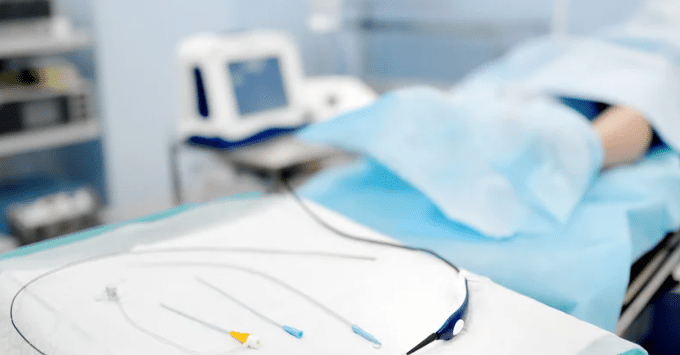
Our team performs a variety of emergent and critical surgical procedures, including damage control surgery for hemorrhage, emergent laparotomy or thoracotomy, airway management and tracheostomy, surgical stabilization of fractures, and bedside procedures in the intensive care unit. Each intervention is tailored to the patient’s injuries, physiology, and immediate clinical priority.